
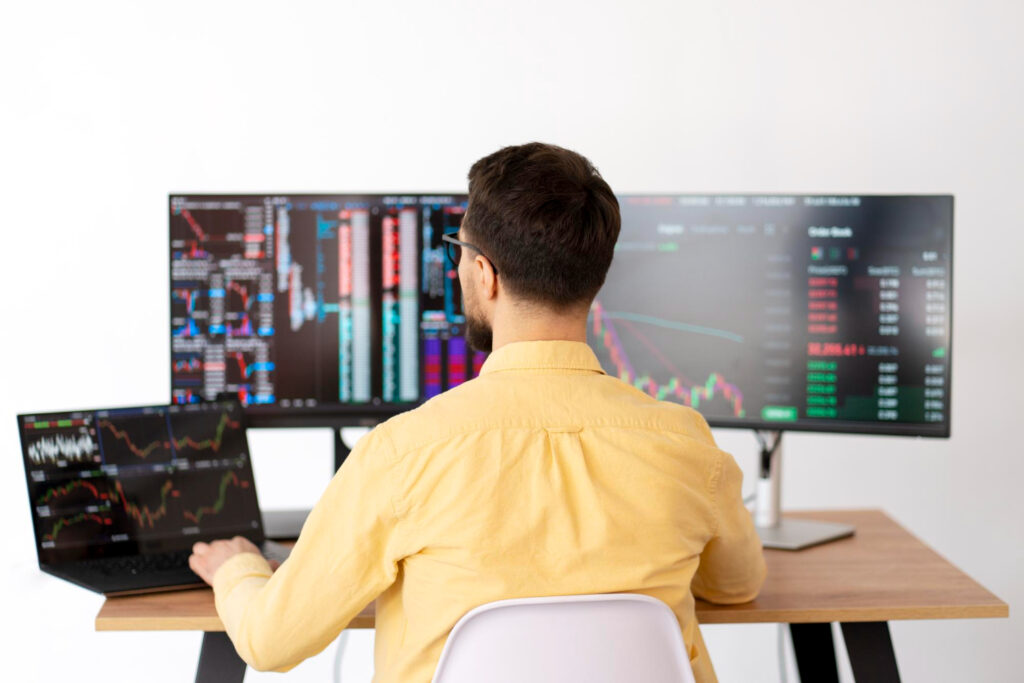
In recent years, Filipino traders have increasingly adopted web-based trading platforms, attracted by their convenience and the numerous advantages they provide. These platforms not only facilitate easier access to global markets but also offer lower costs and a broader array of trading options. For individuals considering this transition, this article will elucidate the benefits of these modern tools and delineate the essential steps for a smooth shift from traditional trading methods. It will also provide insights on how to select the appropriate platform that aligns with individual needs and enhances the overall trading experience.
What They Are and How They Work
Web-based trading platforms have fundamentally transformed the manner in which Filipino traders participate in financial markets, facilitating seamless online trading that is accessible from nearly any location, whether through desktop or mobile devices. These platforms utilize advanced trading technology to equip users with efficient trading tools, including real-time data, comprehensive market analysis, and automated trading features.
By employing these innovative brokerage services, traders can execute transactions promptly, manage their portfolios efficiently, and make well-informed investment decisions. Furthermore, the user experience is significantly enhanced through intuitive user interfaces and robust customer support systems, thereby making trading more convenient and effective for investors at all levels.
Advantages of Web-Based Trading Platforms for Filipino Traders
Web-based trading platforms present numerous advantages for Filipino traders, markedly improving trading efficiency and offering unparalleled convenience in comparison to traditional trading methods. One of the primary benefits is the reduction in trading costs, as many online brokers provide competitive commission fees and lower overall expenses, enabling traders to optimize their investment returns. Additionally, the accessibility to a wide range of financial products, including stocks, forex, and cryptocurrencies, through user-friendly interfaces allows investors to diversify their portfolios and explore new investment opportunities effectively.
Convenience and Accessibility
The convenience and accessibility provided by web-based trading platforms have significantly transformed the manner in which Filipino traders engage with financial markets. These platforms enable traders to execute transactions at any time and from any location through mobile trading applications. This transformation is profoundly impactful for users, as it not only gives the power to them to take control of their investments but also enhances user engagement through personalized features and analytical tools. With just a few taps, traders can analyze market movements, set alerts, and respond to changes in real time, all from the convenience of their mobile devices.
Furthermore, the integration of educational resources within these applications supports traders in making informed decisions. Through the incorporation of gamification and social trading features, users are able to connect with other traders, sharing insights that contribute to a more enriching trading environment. Ultimately, the combination of convenience and advanced technology in mobile trading is paving the way for a new era of accessibility within financial markets.
Lower Costs and Fees
One of the most attractive features of web-based trading platforms for Filipino traders is the potential for lower trading costs and fees compared to traditional brokerage services. Many of these platforms operate with reduced commission rates and trading fees, offering cost-effective solutions for investors aiming to optimize their returns. The integration of automated trading features facilitates seamless order execution and portfolio management, further minimizing expenses and enhancing trading efficiency for all users.
This financial advantage enables a web trader to allocate a greater portion of his/her funds towards investments instead of incurring brokerage costs, thereby significantly enhancing overall profitability. The competitive landscape of these platforms has led to a reduction in fees, often providing zero-commission trades, which is particularly beneficial for frequent traders. Furthermore, the introduction of sophisticated algorithms in automated trading minimizes the potential for human error and allows for continuous trading, thereby capitalizing on market opportunities at any given time. By adopting such technologies, investors can lower their operational expenses while benefiting from improved performance, ultimately creating a more dynamic trading experience.
More Trading Options
Web-based trading platforms offer Filipino traders an unprecedented array of trading options, enabling them to diversify their portfolios across various asset classes, including stocks, forex, and cryptocurrency. These investment platforms accommodate a wide range of trading strategies, allowing users to capitalize on market trends and access diverse financial instruments. By providing comprehensive market analysis tools and trading signals, these platforms give the power to traders to make informed decisions and optimize their trading activities.
The advent of innovative technology has simplified the process for individuals to engage in financial markets without relying on traditional brokerage services. Consequently, traders can now leverage real-time price data, automated trading systems, and an extensive range of educational resources. These platforms not only facilitate seamless transactions but also cultivate a community of traders, where the exchange of insights and strategies enhances overall market understanding. With the capability to access both forex and cryptocurrency markets, individuals can adopt various investment strategies that align with their risk tolerance and financial objectives, ultimately leading to more effective portfolio management.
How to Switch to a Web-Based Trading Platform
Transitioning from traditional trading methods to a web-based trading platform necessitates careful consideration and a structured approach to account management and trading education. Filipino traders should start by assessing their current trading practices and establishing their financial goals, as this will inform their selection of the most appropriate platform features and trading tools that align with their investment strategies. Furthermore, recognizing the significance of trading integration and ensuring regulatory compliance will facilitate a seamless transition to a digital trading environment.
Steps for Transitioning from Traditional Trading Methods
Transitioning from traditional trading methods to a web-based trading platform requires a systematic approach to ensure a successful transition. This process begins with an assessment of current trading practices and the identification of reliable platforms that align with users’ needs. Traders should prioritize user education by familiarizing themselves with the platform’s features, funding options, and overall reliability before committing substantial capital. Dedicating adequate time to understand the new environment can significantly enhance the trading experience and contribute to long-term success.
This journey commences with thorough research to identify platforms that offer robust security measures and a proven track record within the trading community. Once potential platforms have been shortlisted, it is essential to evaluate their funding options—whether through bank transfers, credit cards, or cryptocurrency—to ensure compatibility with one’s financial capabilities. Subsequently, traders should engage with the educational resources provided by the platform, such as tutorials and webinars, which can deepen their understanding of market trends and trading strategies. Furthermore, utilizing demo accounts to test the platform allows for the adjustment and refinement of trading strategies in a risk-free environment, ultimately fostering confidence when trading with real assets.
Choosing the Right Platform for Your Needs
Selecting an appropriate web-based trading platform that aligns with the specific needs of Filipino traders is a crucial undertaking that necessitates careful evaluation of various factors, including the platform’s user experience, available features, and cost structure. Conducting a comprehensive comparison of trading platforms and analyzing user feedback can yield valuable insights into the strengths and weaknesses of the various options available. By aligning the capabilities of the platform with individual trading preferences and strategies, traders can significantly enhance their prospects for success in the financial markets.
It is imperative to assess functionalities such as order execution speed, the range of available trading instruments, and analytical tools that are suited to specific trading styles. Consulting community feedback through reviews can highlight common user experiences and address concerns related to platform reliability and customer support. Ultimately, making informed decisions requires a careful balance of these elements in conjunction with personal goals and risk tolerance. Engaging in this thorough evaluation ensures that the selected platform not only meets current requirements but is also adaptable to evolving trading needs over time.
Related Posts

Factory for Rent in Rayong: The Future of Manufacturing Beyond Bangkok
When discussing manufacturing and industry in Thailand, many people think…

What is an Air Dryer? Types and Their Functions
An Air Dryer is a crucial component in air quality…

Why Hotels Should Choose Refillable Shampoo Bottles: Benefits and Environmental Impact
The decision to use refillable shampoo bottles in hotels is…